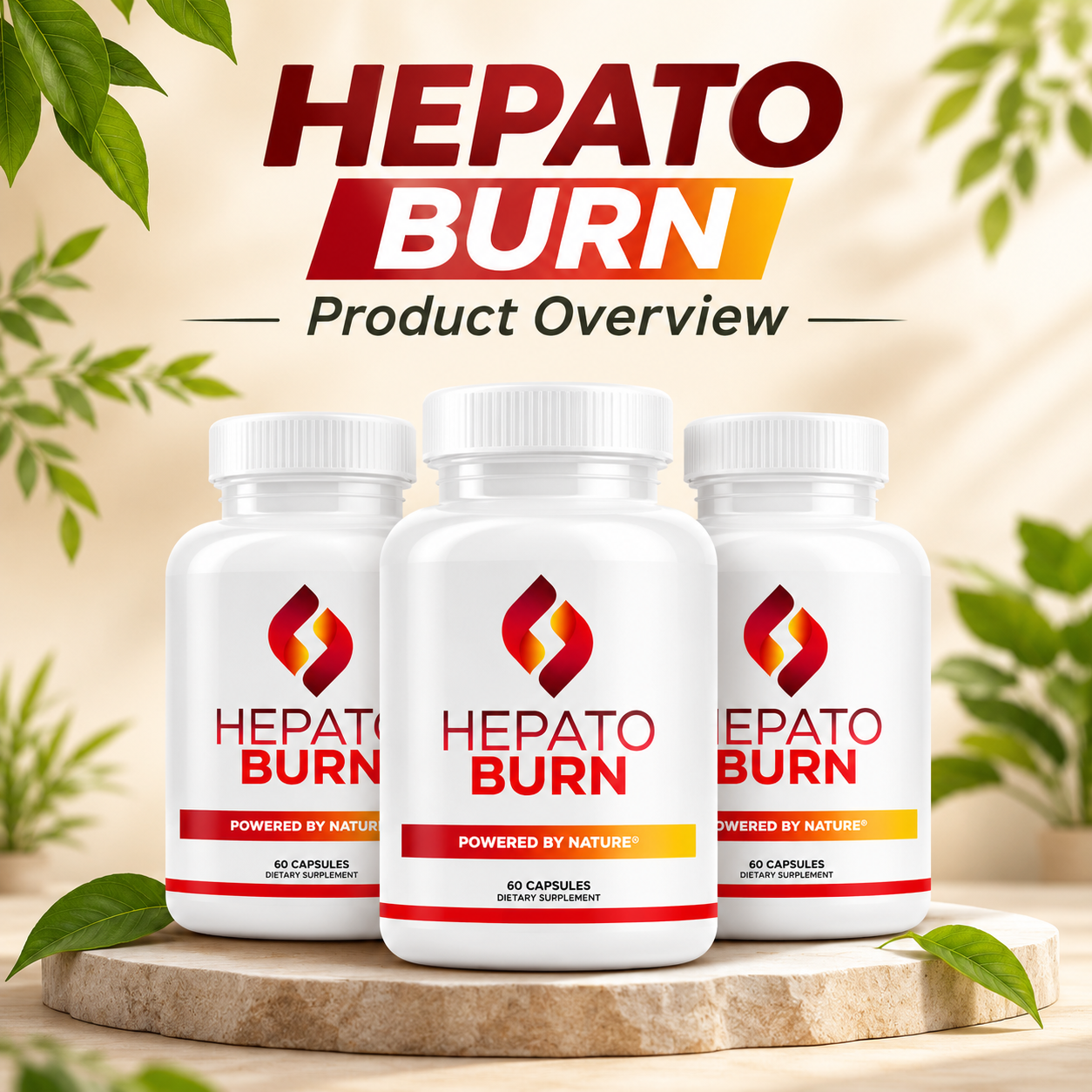
HepatoBurn’s label lists nine active ingredients. Rather than leaning on one or two headline compounds, the formula spreads its focus across liver wellness, antioxidant support, and metabolic health. Here’s what each one is and why it’s in the bottle.
Silymarin is a compound group drawn from milk thistle seed, one of the most studied botanicals in liver-wellness research for its antioxidant properties.
An essential nutrient tied to normal cell-membrane structure and fat transport, choline is considered important for everyday liver metabolism.
Resveratrol (from grapes and berries), glutathione (produced naturally by the body), and genistein (a soy isoflavone) round out HepatoBurn’s antioxidant profile, each studied for different aspects of cellular protection against everyday oxidative stress.
Berberine is a plant alkaloid researched for its possible role in supporting metabolic markers already within a normal range. Chlorogenic acid, found naturally in coffee, has been studied alongside it in glucose-metabolism research. Anyone on blood-sugar medication should check with a doctor before combining it with berberine specifically.
Betaine, found in beets and whole grains, takes part in methylation — a basic cellular process. Molybdenum is a trace mineral the body needs only in small amounts to support certain enzyme functions. Both round out the formula’s nutrient base.
Instead of isolating a single liver ingredient, HepatoBurn groups complementary categories into one daily capsule: liver-and-metabolism nutrients, antioxidant botanicals, and metabolic-wellness compounds. See how that structure maps to specific HepatoBurn benefits on the homepage.
Always check the current Supplement Facts panel on your bottle for exact amounts and any allergen warnings — particularly if you have a soy sensitivity (genistein) or take medication that could interact with berberine. Full serving details are on the HepatoBurn ingredients page.
 Hepato